Safety & Security
Insurance Pays Later. TrackGuard Helps You Act While It Still Matters.
A hidden, magnetic Find My recovery tracker for the vehicle that carries your tools, earns your income and keeps your week moving — without another monthly tracking bill.

Sam Reynolds
Updated July 2026 | 5-minute read
 5 min read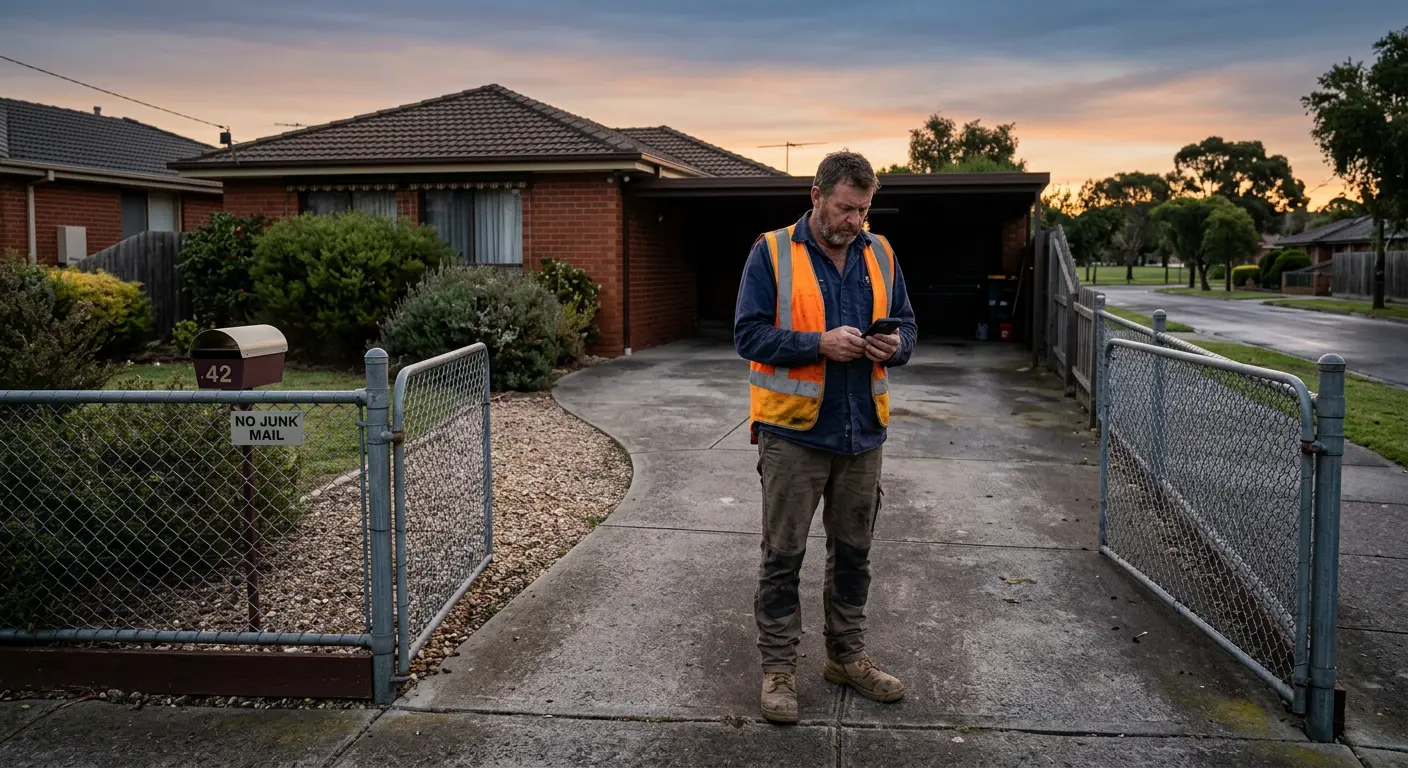
64,400
Australian households had a motor vehicle stolen in 2024-25. Almost half of the most recent thefts happened at a residential location.
— Australian Bureau of Statistics, Crime Victimisation 2024-25¹
5:32 AM. Your Ute Should Be In The Driveway.
Imagine walking outside with your coffee in one hand and the first job of the day already on your mind.
The driveway is empty.
No smashed glass. No alarm that woke you. No clear answer about when the ute left or which direction it went.
The tools you need at 7:00 AM are gone with it. So are the ladders, stock and equipment you spent years building up.
You check the street. You replay the camera footage. You call the police and then your insurer.
Sooner or later, somebody asks the question that makes the situation feel real:
"Do you know where the vehicle is?"
For most owners, the answer is no.
They can provide the registration, make, model and last known address. They may even have footage of the vehicle leaving.
But footage only shows what happened.
Insurance may eventually help with the financial loss.
Neither tells the owner where the vehicle went next.
"The ute was not the only thing stolen. Your work week disappeared with it."
That is the recovery gap TrackGuard was built to help close.
9 Reasons Australian Ute And Vehicle Owners Are Adding TrackGuard Before They Need It
From quiet residential thefts to the recovery gap insurance cannot fill — here is why preparation matters more than prevention alone.
See How TrackGuard Works →A Locked Vehicle Can Still Disappear Quietly From Home
Many owners picture vehicle theft as a smashed window and a screaming alarm.
But vehicles can disappear in different ways. Depending on the circumstances, thieves may use stolen keys, exploit keyless-entry systems or target vehicle electronics. Sometimes the owner hears nothing at all.
Factory security, a steering lock and secure parking are all worthwhile. They make theft harder.
They simply cannot make every vehicle impossible to steal.
The ABS finding that almost half of the most recent vehicle thefts happened at a residential location matters because it challenges one of the most common assumptions:
"It will not happen at my place."
TrackGuard is not built around panic. It is built around preparation for the possibility that prevention may one day fail.
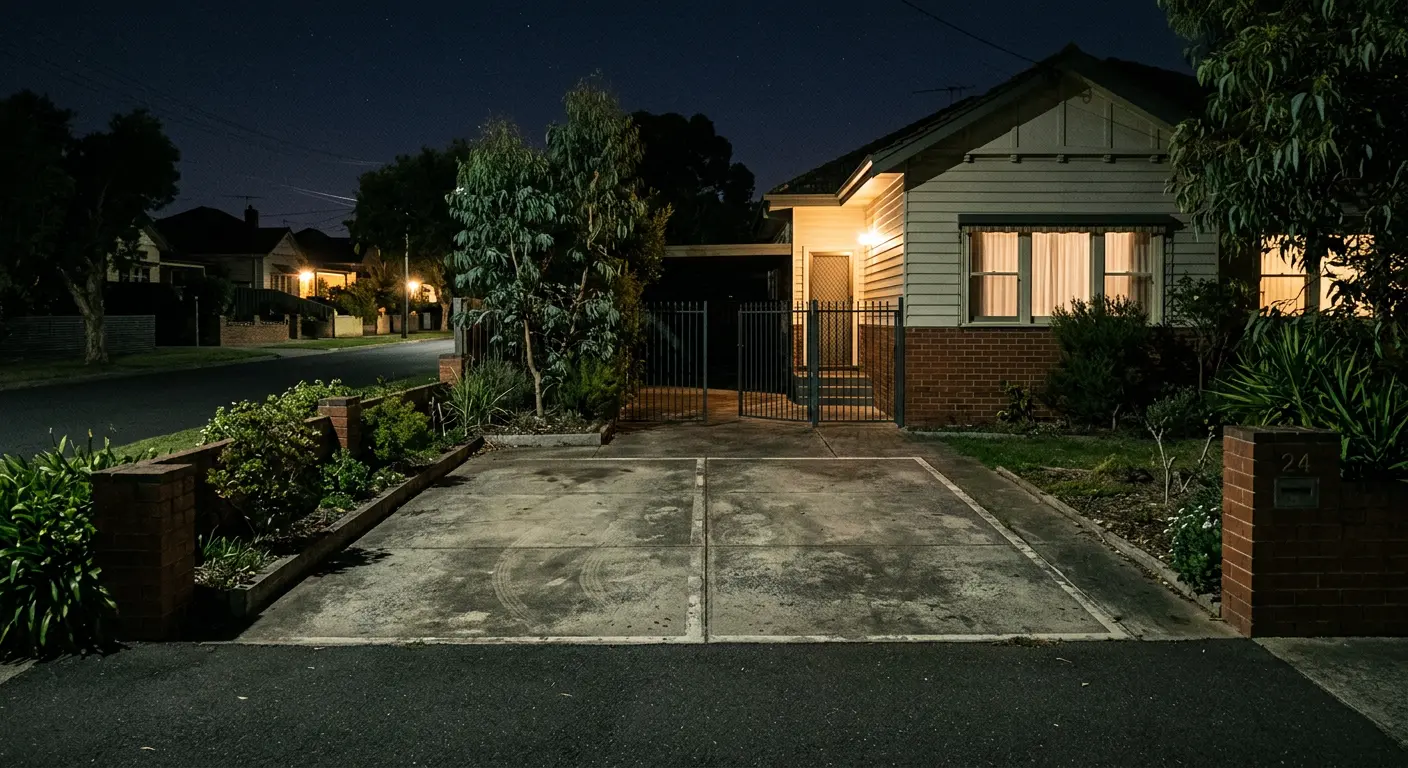
A quiet suburban driveway at night. The space where the vehicle sat is empty. No broken glass. No alarm. No warning.
Reason 2
Insurance Replaces Money. It Does Not Create A Location Lead.
Insurance is an important financial backup.
If a stolen vehicle is not recovered, the right policy may help cover the insured loss.
But an insurance policy cannot show where the ute was last detected. It cannot return the tools in the tray, preserve tomorrow's bookings or remove the weeks of calls, assessments and replacement decisions.
This is not an argument against insurance.
It is the reason owners need to understand the difference between compensation and recovery.
Insurance helps with one.
TrackGuard is designed to give you another option with the other.
Financial Backup

Insurance may help cover the insured financial loss after a claim is assessed and approved.
Location Information

TrackGuard provides available Find My location information when the vehicle can be detected.
Reason 3
TrackGuard Gives You Somewhere To Start Looking
When a vehicle disappears, the first thing the owner wants is information.
Is it still nearby? Has it moved across the city? Was it left somewhere police may be able to investigate?
Without a tracker, there may be no location lead at all.
TrackGuard pairs with a compatible Apple device and appears as an item inside Find My. When it can be located through the Find My network, the app can display an available location and timestamp. If a location is not currently available, Find My may allow the owner to request a notification when the item is found.²
That information does not guarantee recovery.
It gives the owner and police a starting point instead of a blank map.
How The Recovery Layer Works
Pair
Add TrackGuard to Find My on a compatible device.
Place
Magnetically fit it in a secure, discreet location on a vehicle you own or are authorised to monitor.
Detect
Nearby compatible devices can privately help the Find My network update the item's location.
Check
View the latest available location and timestamp inside Find My.
Report
If the vehicle has been stolen, give the information to police. Never confront a suspected thief yourself.
Reason 4
It Uses An App Many iPhone Owners Already Understand
There is no unfamiliar fleet portal to learn.
No separate tracking dashboard to manage.
No complicated cellular plan to activate.
Once paired correctly, TrackGuard appears inside Apple's familiar Find My interface.
If the item is located, the owner can see the available location and update time. If it has not been located, the app says so clearly.
Important Distinction
TrackGuard is a Find My recovery tracker, not uninterrupted live satellite GPS. Update frequency varies with nearby compatible devices, conditions and location.
The value is simple.
If your vehicle disappears, you have a familiar place to check.
Reason 5
The Network Is Familiar. The Vehicle-Ready Format Is The Difference.
A standard consumer item tracker can be useful, but fitting one to a vehicle often means finding a separate case, improvising a mount or leaving it somewhere obvious.
TrackGuard packages the recovery idea into a discreet magnetic format designed for vehicle placement.
| Feature | Standard Loose Item Tag | TrackGuard |
|---|---|---|
| Purpose | General-purpose item finder | Built around vehicle recovery |
| Vehicle mount | Separate or makeshift mount may be needed | Integrated magnetic vehicle-placement format |
| Network | Uses its supported finding ecosystem | Works through Apple Find My |
| Placement | May be placed somewhere easy to search | Intended for secure, discreet installation |
TrackGuard does not claim to access a "better" Apple network than another compatible Find My item.
Its intended advantage is the physical implementation: a simple, vehicle-focused recovery tool that is ready to pair, place and leave prepared.
Editors Investigation
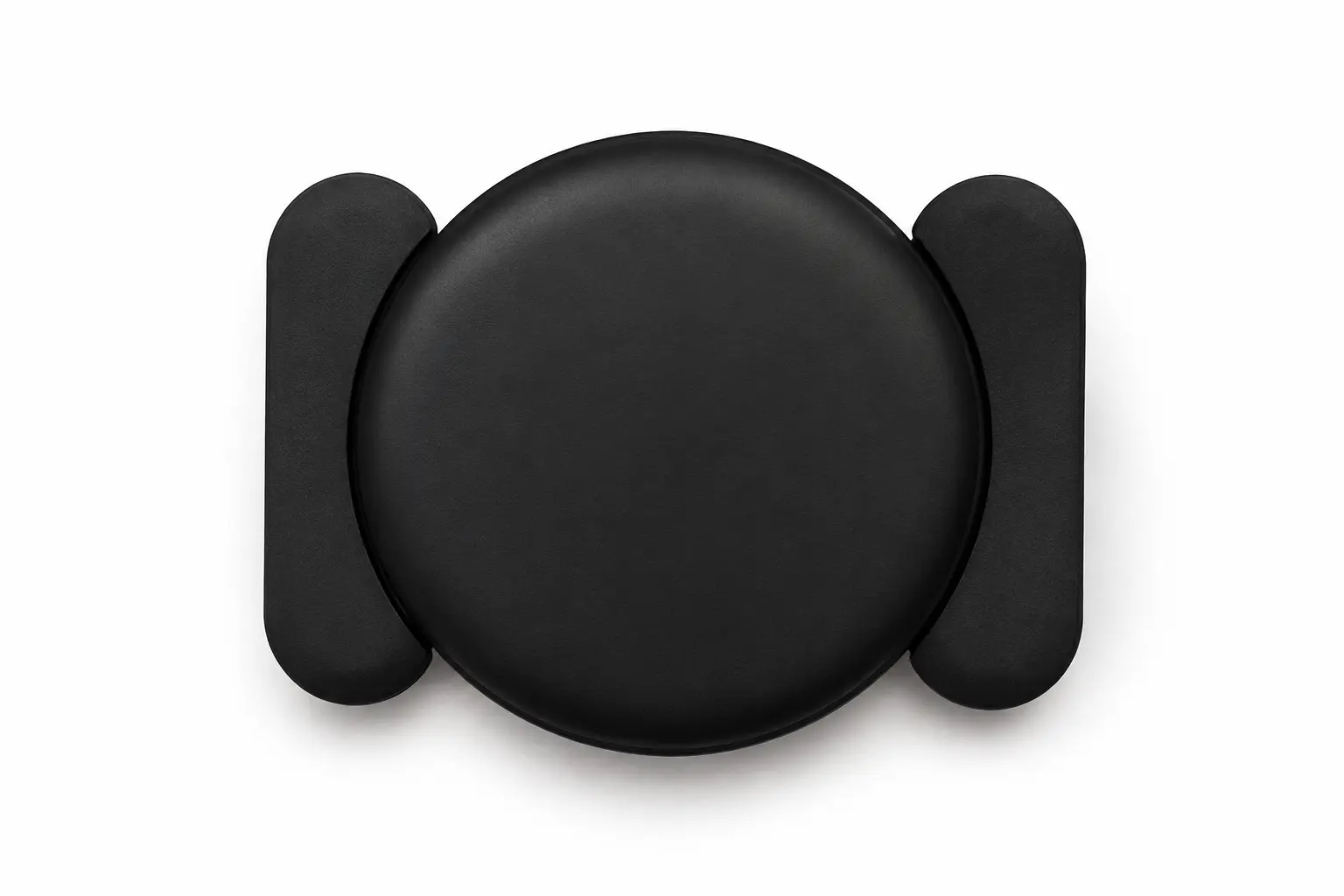
TrackGuard™ — Hidden Apple Find My Vehicle Tracker
After interviewing vehicle recovery specialists and owners who successfully recovered stolen vehicles, one device appeared repeatedly. A hidden vehicle recovery tracker designed for Australian vehicle owners who want a simple, no-subscription way to locate their ute, trailer or family car if it disappears.
 Uses Apple Find MyNo monthly subscriptionHidden magnetic mountInstalls in secondsWeatherproof designWorks with iPhone 90-Day Money Back
 Fast AU Shipping
Reason 6
It Takes Minutes To Fit And Has No Monthly TrackGuard Subscription
A recovery tracker only helps if the owner actually installs it.
TrackGuard avoids hardwiring, permanent vehicle modifications and specialist installation.
Pair it with a compatible Apple device, select a safe and discreet metal location according to the installation guide, then attach it magnetically.
There is no monthly TrackGuard tracking subscription simply to keep it ready.
That makes it a practical option for someone who wants a recovery layer without turning their work ute into a fleet-management project.
TrackGuard should still be inspected periodically and maintained according to the verified battery and installation instructions.

See The Real Product Work Before You Decide
Pair it. Mount it. Locate it. Real device. Real setup. Real Find My result.
Verified TrackGuard Owners

"Bought two — one for the ute, one for the work trailer. Took maybe 30 seconds to stick on. No wiring, no app to learn, just shows up in Find My."
Steve K. — Sunshine Coast
"The mates on my crew all got them after Dave's Hilux was taken. No one thinks it'll happen to them until it does."
Jason T. — Western Sydney
"I'd rather have it and never need it than need it and not have it. For the price, it's a no-brainer."
Mick B. — Electrician
Reason 7
It Protects More Than The Vehicle's Dollar Value
For a tradie, the ute may be the thing that gets every tool, worker and piece of stock to the next job.
For a family, the vehicle may handle work, school, appointments, towing and holidays.
For an enthusiast, it may represent years of saving, modifications and weekends spent building something personal.
That is why vehicle theft rarely feels like losing "just a car."
The secondary consequences can include:
 Cancelled jobs and missed income
- Tools or equipment disappearing with the vehicle
- Insurance excesses and alternative transport
- Weeks of disruption for the household or business
- Losing modifications or sentimental value that a payout cannot reproduce
TrackGuard cannot remove every consequence.
It is designed to help prevent complete helplessness from being one of them.
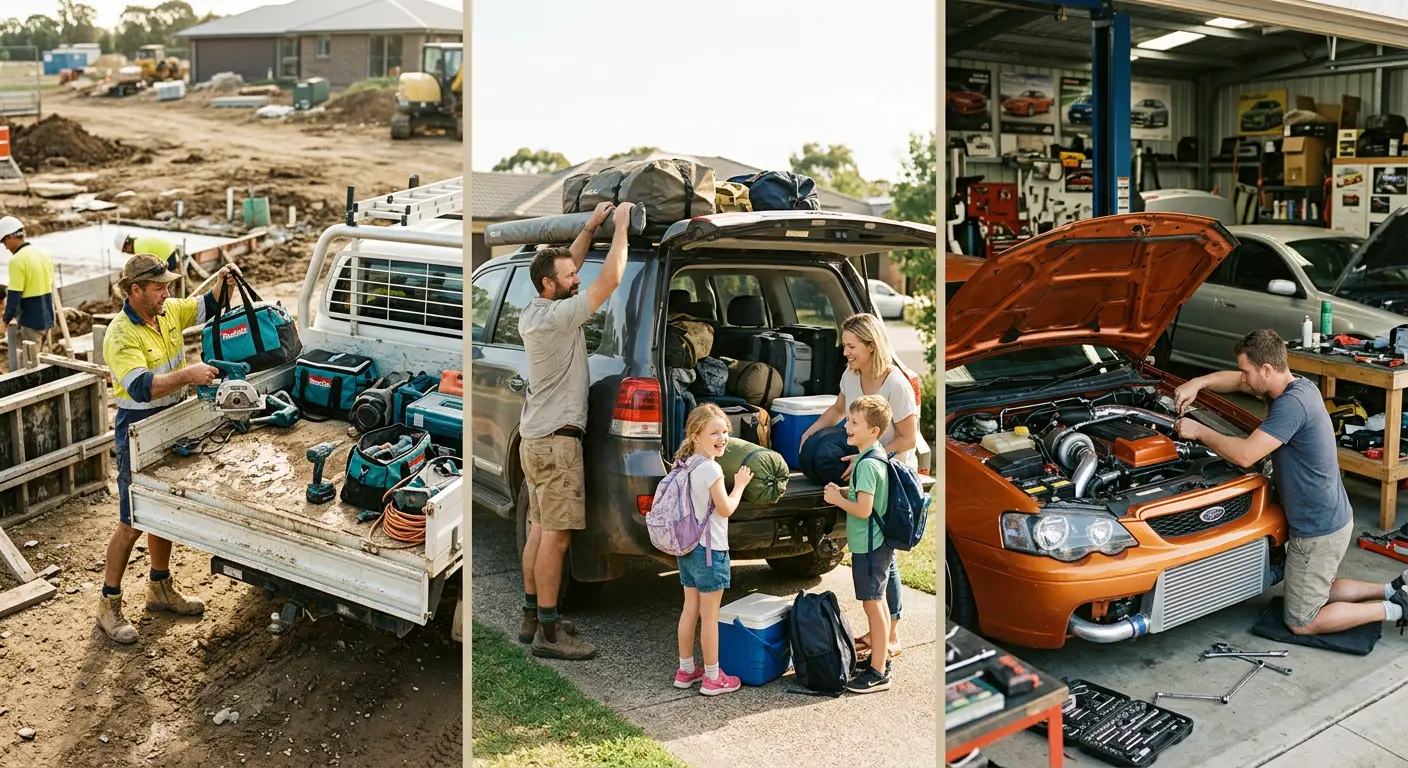
For tradies, families and enthusiasts — the vehicle carries more than its dollar value.
Reason 8
It Completes The Layer Most Security Plans Leave Open
Good vehicle security is layered because each protection has a different job.
| Protection | Primary Job | Remaining Gap |
|---|---|---|
| Factory security | Makes unauthorised access harder | Cannot make every theft impossible |
| Steering lock | Adds a visible physical obstacle | Does not provide a location after the vehicle leaves |
| Cameras | May record the incident | Usually show what happened, not where the vehicle went |
| Insurance | May cover an insured financial loss | Does not locate the vehicle |
| Subscription GPS | Can provide richer tracking features | Often includes ongoing fees or more installation |
| TrackGuard | Adds discreet Find My location information, no monthly subscription | Recovery depends on network availability, police action and circumstances |
TrackGuard does not need to replace the rest of the security plan.
It fills the part most owners only notice after the driveway is empty:
"The recovery layer."
Reason 9
It Must Be Fitted Before The Morning You Need It
Before a theft, a tracker can feel optional.
After a theft, it feels obvious.
That is the difficult timing of vehicle security: you cannot go back and install a recovery plan once the vehicle has already disappeared.
The real comparison is not TrackGuard versus buying nothing.
It is TrackGuard versus the possible cost of:
 An insurance excess
- Replacing uninsured tools or equipment
- Hiring alternative transport
- Missing jobs or rearranging an entire household
- Losing a vehicle with personal value
- Having no location lead when every piece of information matters
You buy TrackGuard hoping you never need to rely on it.
But if that empty-driveway morning ever arrives, it may be the first place you are grateful you can look.
Your Car Already Has Locks. It May Already Have Insurance.
The question is whether it has a way home.
Nobody expects their vehicle to disappear tonight. That is precisely why the recovery layer has to be fitted beforehand. Insurance may help later. TrackGuard gives compatible iPhone owners something they can check sooner. Not certainty. A prepared next step.
Fit It Today. Hope You Never Need It.
Add TrackGuard To My Vehicle → 90-Day Money Back Fast AU Shipping Secure Checkout
Frequently Asked Questions

No. TrackGuard uses Apple's Find My network rather than continuous cellular GPS. When it can be located, Find My can show an available location and timestamp. Update frequency varies.
TrackGuard requires a compatible Apple device and account for setup and use. Check the product page for exact supported devices and operating-system requirements.
TrackGuard is a recovery layer, not a guarantee against theft. Continue using insurance and sensible physical security.
Potentially. Find My-compatible accessories include unwanted-tracking protections. A person travelling with an unknown accessory over time may receive an alert, and a compatible accessory may emit a sound after being separated from its owner.³ No Find My product should be advertised as permanently undetectable.
Contact police and give them the available location and timestamp. Do not travel to the location or confront anyone yourself.
There is no monthly TrackGuard tracking subscription. Review the current product, shipping, warranty and compatibility terms before ordering.
Sources For Published Claims
1. Australian Bureau of Statistics, Crime victimisation, 2024-25: an estimated 64,400 Australian households had a motor vehicle stolen; 47% of the most recent incidents occurred at a residential location. abs.gov.au
2. Apple Support, Locate an AirTag or other item in Find My: when an item can be located, Find My displays the available location and update time; users can also enable Notify When Found. support.apple.com
3. Apple Support, What to do if you receive an unwanted tracking alert: Find My accessories include notifications and sounds designed to discourage unwanted tracking. support.apple.com
No monthly TrackGuard tracking subscription. Compatible Apple device and account required. Find My location availability and update frequency vary. TrackGuard does not guarantee theft prevention or recovery. Use only with vehicles or property you own or are authorised to monitor. If a vehicle is stolen, contact police and do not attempt recovery yourself.